
In the context of construction and development, obtaining the proper approvals and permits is crucial to ensuring that a project is compliant with local laws, regulations, and zoning requirements. Here’s an overview of the terms and processes you mentioned:
1. Architectural Design Consulting
- Architectural Design Consulting involves the services provided by architects or architectural firms that specialise in designing and planning the structure, layout, and aesthetic aspects of a building or development. Architects work closely with clients to turn ideas and needs into detailed, functional, and visually appealing designs. They ensure the designs align with zoning laws, planning regulations, and environmental standards.
- Key tasks of architectural consultants include:
- Conceptualising design ideas that meet the client’s vision and practical requirements.
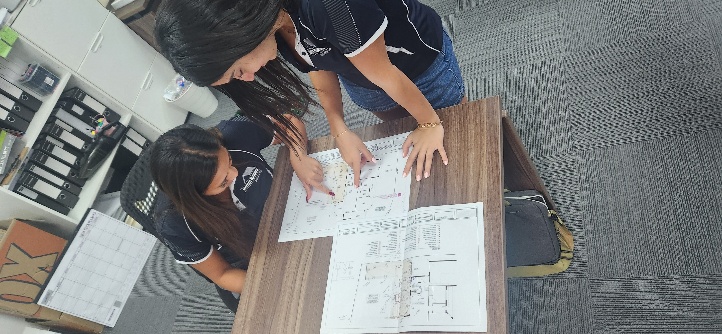
- Creating detailed architectural plans and models for submission to authorities for DA or CDC approval.
- Overseeing the design and planning process to ensure compliance with regulations, codes, and local ordinances.
- Coordinating with engineers, contractors, and other professionals involved in the project.
2. DA (Development Application)
- A Development Application (DA) is a formal request submitted to the local council to seek permission for a particular development or construction project. The DA is assessed to ensure that the proposed development aligns with zoning regulations, building codes, environmental standards, and planning policies. The process involves submitting detailed plans, reports, and often engaging with the community.
- Key Components of a DA:
- Site plans and architectural drawings.
- Environmental impact assessments (if necessary).
- Landscaping plans.
- Traffic or parking reports (depending on the development’s nature).
- The council reviews the DA, and if the development meets all requirements, the council will issue an approval.
3. CDC (Complying Development Certificate)
- A Complying Development Certificate (CDC) is a fast-tracked approval for certain types of development that are deemed to meet pre-defined criteria outlined in local planning laws. If the development meets the requirements, it can proceed without a full DA. The CDC process is typically less complex and faster than the DA process, as it’s used for smaller projects or those that are low risk or have a minimal impact on the environment.
- Common examples where a CDC may apply include:
- Residential home extensions.
- Internal renovations or small additions.
- Fencing or landscaping works.
- It’s important to check if the specific type of development qualifies for a CDC.
4. CC (Construction Certificate)
- A Construction Certificate (CC) is issued once the DA or CDC has been approved and signifies that the detailed building plans comply with the Building Code of Australia and local planning laws. It authorizes the actual construction of the project to begin. A CC ensures that the construction follows all relevant health, safety, and technical standards before works can proceed. This certificate involves detailed construction documentation, including structural engineering reports, fire safety compliance, and other technical requirements.
- Key components for a CC:
- Detailed construction drawings.
- Structural engineering and safety reports.
- Compliance with fire safety, accessibility, and energy efficiency standards.
5. Practical Completion (PC)
- Practical Completion refers to the point at which the construction work is essentially finished, and the building or structure is deemed ready for use, despite any minor outstanding tasks that may remain. At this stage, the building is considered habitable or functional, meaning it can be occupied or used for its intended purpose, even if there are minor defects or unfinished work that do not affect the building’s usability.